SimplyScripts.Com Logo

Monday, February 13, 2017

Free – Short Script Review (Available for Production) - post author David M Troop

Free (76 page Sci Fi Drama in pdf format) by Paul J. Williams

An honor student begins the next phase of his life.

If time travel was scientifically possible, what would you do? Really?

Would you change the course of human history? Or simply go back and tell someone you loved them – one last time? Would you prevent a horrific accident from occurring, saving thousands of lives? Or spend the day with one special person, and change their life forever?

Time travel and its possibilities – it’s been the theme of some of the most popular movies in history (in a variety of genres): The Terminator travels back in time to eliminate an enemy by killing his mother. In Groundhog’s Day, an egotistical weatherman relives the same day again and again – until he learns the true meaning of love.

In his short script “Free”, Paul Williams explores a question we’ve all asked ourselves. What if we could go back and time, and undo a costly mistake?

Although only eighteen, Robert McKenna has a lifetime of accomplishment ahead of him. A brilliant and promising merit scholar, Robert studies quantum physics – specializing in the theory of time-travel. Staying at home with his mother and younger brother Timmy (12), Robert’s preparing for a four year trip. He whiles away the remaining hours working on equations and algorithms… making sure they’re absolutely right.

But Timmy won’t let him be. Seeking his big brother’s attention, he pesters Robert with questions. About the possibilities of time travel. And Robert’s own plans for the future. Has his big brother found a gateway to the past? And if so… what’s his motivation?

Free may have the sheen of Science Fiction. But at heart, it’s a tragedy. About families. Grief, loss and regret. And wishing you could solve life’s problems with a mathematical solution. If only it was that easy.

This is a script that every skilled director wishes for: subtle and deeply touching, with layers of rich symbolism. Properly brought to the screen, it’ll haunt your audiences for a long time.

Budget: Low to moderate. One location: an upper middle-class home. And a pet bird. (Don’t ask – just read the script!)

About the writer: Paul J. Williams is a New Jersey-based multi-award-winning screenwriter, producer, and director with several scripts in various stages of film production. He has been a member of the New Jersey Screenwriter’s Group since 2009. His latest movie, Case #5930, which he wrote and produced, was released in 2015.

He has also served as a decorated law enforcement officer for the past eighteen years, both as a Federal Officer with the U.S. Department of Justice and as a Police Officer for the City of Newark, N.J.

He can be reached at pauljwilliams9 (a) yahoo. Check out his IMDB page.

About the reviewer: David M Troop resumed writing in 2011 after a twenty-five year hiatus. Since then, he has written about 50 short scripts, two of which have been produced. Dave would like to make it three. He is a regular, award-winning contributor to MoviePoet.com. Born on the mean streets of Reading, PA, Dave now resides in Schuylkill Haven with his wife Jodi and their two lazy dogs Max and Mattie. He can be reached at dtroop506 (a) gmail.

Read Free

Find more scripts available for production

This screenplay may not be used or reproduced for any purpose including educational purposes without the expressed written permission of the author.

Sunday, February 12, 2017

Original Script Sunday for February 12, 2017 - post author admin

Over on the Unproduced Scripts page are twenty-ish original scripts for your reading pleasure.

– Don

Friday, February 10, 2017

Music in Film – How Important is It? - post author John Montana

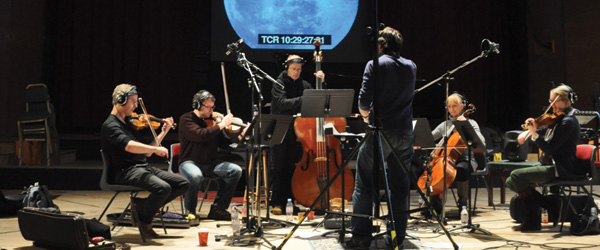
Making a short film, or any film for that matter can be a lot of amazing fun. Here is how I came up with and developed the sound and music in my most recent film called HUNGRY. Its a wicked little dark comedy skewering the rampant greed of shoppers at Christmas time.


video makerSo the way I work is that in the very beginning of preparing to shoot the film, when I am still writing the script actually, I start to listen to music that I like. I listen with the sole purpose of getting a feel for how this particular song will go with the film. I use each song that I like or think might go well and imagine how it will tell my story. Here is an example…in “HUNGRY”, the story takes place at Christmas. So I was constantly listening to holiday songs, wild versions, old-fashioned ones, newer versions. The one I came up with was of a child choir singing Carol Of The Bells. This song was important in setting up the beginning of the film in 3 ways:

  1. It is a beautiful innocent rendition of this song
  2. It lulls the audience into the sweetness of the Christmas season
  3. It also didn’t telegraph what was coming to the audience

I cannot tell you how important music or sound is in setting up your story or film. If you can do it right, then the whole film just falls into place. Another example of how much music played a part in my film is when the main character walks into the shop, the owner is listening to 1930’s jazz. The story’s background was that this woman has been alive for several hundreds of years, and this is her favorite music. Now you don’t actually see a 500 -year old woman on screen as that was just the back-story. But this music really helped the actress get the feel for what I wanted. And her performance made the film. Another instance of how important sound was for me, was in editing. My film is a horror film, and so I had a small creature. But because I was on a small budget, I couldn’t really afford to build a creature that could move in every way I wanted. So movement was limited. What I did tho, was to search a couple of free sound sites for sci-fi sounds, or dinosaur roars. It took me weeks to get it the way I wanted. In order for the creature to look realistic, I had to use different sounds for each 2-second piece of footage that had the little guy in it. Each different sound conveyed a different want and emotion in the creature. It was incredibly grueling and difficult work. But in the end, the sounds and music are what really helped this film. In my opinion! And when my main character was being eaten alive, sounds were so vitally important in conveying the horror of what was happening to him. And at the end of the film, when it is clear that the owner is in cahoots with the creature, or the creature is almost her mate, then the music that I put in at the end conveyed the craziness of this situation. So I put in this wild and crazy piece that makes me giggle whenever I hear it.

Here are some examples of the films that I made and how and why I used the sound/music for each of them.

  1. Needs Talking – I actually came up with the idea of this film because I can hear a train’s whistle in the distance from my current home. Hearing the train, I was hit with how lonely it sounded… and then the story came to me of a married woman being alone in her own home. And then leaving!
  2. A House Cleaning – This had the feel of an old 30’s mobster film for me, and I went looking for some music from that time period. I had 2 songs from public domain that I used… the first one being a lively jazz piece that slowly moved into a foreboding piece when it becomes clear to the audience that danger is approaching. I thought the music really helped the film.
  3. LATE – You know… I used the sounds of the airport to open this film. The hectic rushing to and fro at LAX and how the lead woman came rushing into focus. And then I used the fading of those loud and crazy sounds into silence to enter into old memories. And then the quiet of the hospital hallway and the hum of the elevator to convey her fear. As it is always quiet before the storm. And then I used the saddest music I have ever heard when she finds out her mom has died before she could say goodbye.
  4. The Chaser – This is a very eerie little story that I adapted into a short. I found some very strange screeching of metal sounds and high-pitched eerie music to open the film to show just how far the lead guy had to go to have this meeting. And the strangeness of the building.

Some of my favorite films have some great music in them as well.

  • LUCY – by Luc Besson
    This is the most recent film by the French director who brought us the beautiful and haunting film – “La Femme Nikita”. In LUCY, the use of music has really been amped up to make the horror of what is happening to Scarlett Johansson’s character. There is the slow low drumbeat of when she is waiting in the office lobby in the beginning that makes you squirm in anticipation of something really bad coming her way. Then there is her becoming super aware: She hears the minute sounds of creatures crawling and the sounds of radio waves as they go up out of peoples cell phones. There are way too many examples of  how he uses sound to enhance this film.
  • RED – The final film of the Three Colors Trilogy by Krzysztof Kielslowski.
    This is such a magical film and the music he used in it is beautiful and eerie. From sudden crashing cymbals to convey horror, to gentle intoxicating music for the “Fashion Show”, to again crashing doors for when the storm blows in. It is such a subtle and at the same time “in-your-face sound effects and music.
  • BLADE RUNNER – by Ridley Scott:
    For me… the music in this film is the most amazing sounds and music I have ever heard used in a film. From the weird lively beat by some kind of reed instrument (I’m guessing) when Deckard is walking thru the outdoor bazaar to the echoing music when he is in the great building of the Tyrell Corp. Even the weird futuristic music by Vangelis for the scene transitions are masterful. For me again… this movie is the perfect example of how important music and sound are to creating the world of the film you are making.
  • IRREVERSIBLE – by Gaspar Noe
    In this film, there is an undercurrent of bass that was purposely put into the soundtrack. The reason for this is because this low bass sound creates a feeling of nausea and confusion and dizziness for the  audience. I have no conclusive evidence of this, but if this was intentional, then it is a brilliant use of sound to affect the audience and bring them into the world of Monica Bellucci’s character and of the  world of rape.
  • WITNESS – by Peter Weir
    I cannot tell you how much I loved this film, for its power and simplicity of the storytelling. The arc that Harrison Ford’s character makes as a result of living with this Amish family for a while is why I love the acting business. When done correctly, it truly is wonderful to watch. There is a scene that beautifully shows the world of the Amish… it is the shot of the fields swaying in the breeze. The sound of the wind as it moves slowly thru the wheat or grass field is mesmerizing. In that one piece of film, you are instantly transported tot his place and the sound is so tranquil, that I could understand why some people choose to live this lifestyle. And that is ultimately what you strive for…for your audience to get   immersed into your world… if only for an hour or two.

short film ideas

In conclusion, if you are in preparation for a film shoot, or if you are already in editing, then I cannot stress the importance of taking your time and getting the music and sound right. If you have the right style of music that brings your audience into your film, and the right sound effects if you are shooting a horror film, then this will improve your odds of this being a successful film. If nothing else, it helps your audience into your film, and it help in keeping them there. If you don’t believe me, go and watch the movie Brooklyn.  The music in this film will bring you instantly into this world, and it keeps you there. Whether you like the movie or not!

About The Author:

John Montana is a video maker living in L.A. and has begun to make short films. His most recent film, “Hungry” has been accepted into 24 film festivals all over the world. Check out his short films at No Title Production Films.

Thursday, February 9, 2017

The Eulogy – Feature Length Review (Available for Production) - post author KP Mackie

Ruby (98 pages in PDF format) by Dena McKinnon

When a cantankerous woman is given only months to live, the town scrambles to see who will write her Eulogy – and inherit her vast fortune.

The Eulogy surrounds its readers in a rich tapestry of characters, which envelop you like a warm blanket.

The main protagonist is Ruby Mae Morgan: wealthy spinster, and owner of Morgan Textiles factory. An isolated figure, she lives out the remainder of her years behind the perpetually locked gates of her lonely Southern mansion. Despite her riches, she has no friends. Only employees (lots of them), who test the limits of her patience daily. Ruby’s miserable personality hints at some trauma in her past… but she isn’t interested in reminiscing or telling tales. Business takes priority over the personal. Always. Even when Ruby discovers she’s… dying. But rather than give up, she goes into high gear, determined to wrap up loose ends. Especially regarding who will get her factory and take the reins. Within days of her diagnosis, the old woman announces a contest: whoever writes the best eulogy for her (while she’s still alive and able to judge) will get her full estate… and company.

Needless to say – game on! As soon as the proclamation’s made, all the factory workers scramble to life, each determined to win the prize.

Among the contenders: Violet (24). Though young, she’s already had a hard knock life. Estranged from her husband (sleazy factory manager Sherman), Violet’s been abused, kicked out of her home, and forced to live with five year old daughter Abbey in their beat-up car.

Then there’s Catfish – Miss Ruby’s gardener – who readily admits he’s in over his head. Not only is he not a writer, he’s got more pressing issues on his plate. Like watching over two grown drug-addicted daughters, and caring for seven year old granddaughter, “Tadpole”. But still, a man can dream. Especially when his precocious granddaughter’s future is at stake.

Then there’s Miss Ruby’s greedy son Brent – a man who has had little to do with his mother his entire life. At least, until he hears about her eminent demise. After which point, Brent arrives with attorney in tow: clearly not interested in reunion. But hell-bent on inheritance.

Then there’s the rest of the colorful, quirky town – all desperate to grab for the brass ring that Ruby’s dangled before their eyes. Even if they have to brown-nose, cheat and lie.

Of all the characters that march across Eulogy’s page, it’s young “Tadpole” that stands heads and tails above the rest. “Seven going on Twenty Three”, Tadpole is perhaps the only one who truly feels sorry for Miss Ruby, and sees redeeming qualities in her. As Tadpole herself states: “Miss Ruby could be right mean. But I just figure she must be feeling really bad inside. Maybe she was scared about dying. She was like one of them suckers with the hard candy on the outside and the delicious bubble gum on the inside.” Ahhh, out of the mouths of babes.

Take our word for it. Tadpole will steal your heart…

As Miss Ruby’s illness accelerates, the contest reaches crisis point. Everyone’s needy – but who will win? And will Miss Ruby find peace of mind – or take decade long secrets to her grave?

You’ll care about the characters in The Eulogy. A lot. Honest, organic portrayals, this odd assortment of personalities will capture your attention, and hold it hostage to the end. This feature length will tug at your heartstrings, and win big at the festivals. And drama doesn’t get much better than that. J

Budget: The Talent. Get the best actors money can buy. Then let the script work it’s magic!

About the Writer: Dena McKinnon has had four shorts produced. One of her shorts, The Box, directed by Sascha Zimmermann, has racked up numerous awards and was screened at Comic-Con in San Diego. Dena has optioned one feature, Doggone, a buddy script cowritten with Kevin Lenihan. Currently, Dena has one feature in production, The Last Call, with Leo-PR, and is writing on assignment for an undisclosed TV producer. Dena just finished directing her script Kill Your Demon. Check out Dena’s IMDB credits and website at DenaMcKinnon.com/.

About the Reviewer: California über reader/reviewer KP Mackie is working on a historical feature.

Read Ruby (pdf format)

Find more scripts available for production

This screenplay may not be used or reproduced for any purpose including educational purposes without the expressed written permission of the author.

Wednesday, February 8, 2017

Passage – Short Script Review (Available for Production!) - post author Guest Reviewer

Passage (18 pages in pdf format) by Zach Jansen

The road to Hell is paved with long hallways…

Nothing beats a mystery for getting a reader (and film audience’s) attention. Think about scripts that have truly captured the world’s imagination in recent years: Memento. Source Code. And if you can go low budget, that’s even more gravy on one’s indie plate… Case in point, the tiny SF piece de resistance entitled Moon.

Of course, Moon’s taken. And filmed. Fortunately, it’s not the only gem on the marketplace. ‘Cause Passage is available.

A micro-budget mind twister, Passage opens with our lead (Tommy, 20s), waking up in an unfamiliar hallway. Jessa hovers over him, asking if he’s okay. The two quickly meet cute, and venture out into a maze of generic hallways – seeking an exit to escape. And those hallways go on forever. Until they encounter Mike. And he’s no stranger. Turns out he’s Jessa’s ex. And when Mike sees Tommy, he ain’t too pleased. A few harsh words and misunderstandings later, and Mike knocks poor Tommy out cold.

Tommy wakes up soon after – Jessa hovering over him. Like a rewound VHS, the scene starts to replay, same as before. But Tommy remembers some of it. And everything looks so damned familiar….

The scenario plays out, again and again. Like a ‘Choose Your Own Adventure’ book, Tommy tries new actions each time. With the unfortunate same result. Knocked out stone cold. On the floor.

…until Tommy decides to fight back. He won’t let Mike get the upper hand this time. Will Tommy find a way out of the maze? Or suffer limbo for eternity?

Think of Passage as Groundhog Day on a micro budget. Only three actors needed, and a generic hallway. It’s a lot of premise, packed into a tiny space. Which makes this one a script you gotta see!

Budget: Minimal. Seriously: three actors and a few long hallways – that’s all you need for this one!

About the writer: Zach Jansen is an award-winning and produced screenwriter from Saint Paul, Minnesota. He enjoys spending time with his kids, anything movies, and sitting at his desk pounding out his next script. If for some reason you want to learn more about him, you can check out his IMDb page or quasi-frequently updated blog.

About the reviewer: Going by the handle “medstudent”, Joseph can be found at Simplyscripts and his script Last Chance has been filmed.

Read Passage

Find more scripts available for production

This screenplay may not be used or reproduced for any purpose including educational purposes without the expressed written permission of the author.

Tuesday, February 7, 2017

Watch Dena’s Evanescence (filmed as as Dysgenesis) - post author admin

Great news from Dena: [Evanescence] was a short I started at SS and it evolved into this film [Dysgenesis]… I’ve been asked to turn it into a feature. They just released the short for public viewing.

DysGenesis started life as Evanescence and was featured on SimplyScripts some time ago.

Charlie and Amber struggle with heroin addiction and live in an abandoned home in the woods. When tragedy strikes, Amber just can’t seem to let go of the past and move on… and Charlie is forced to make a hard decision.

DYSGENESIS from David Flint on Vimeo.

imdb.com; facebook.com/DysGenesisMovie

Talk about it on the Discussion Board
– Don

Sunday, February 5, 2017

Original Script Sunday for February 5th (and Who Wrote What) - post author admin

Over on the Unproduced Scripts page are twenty two original scripts for your reading pleasure.

And, check out Who Wrote What for the February One Week Challenge!

– Don

Friday, February 3, 2017

Interviews: Jose Prendes, on low budget filming and working with Asylum - post author Anthony Cawood

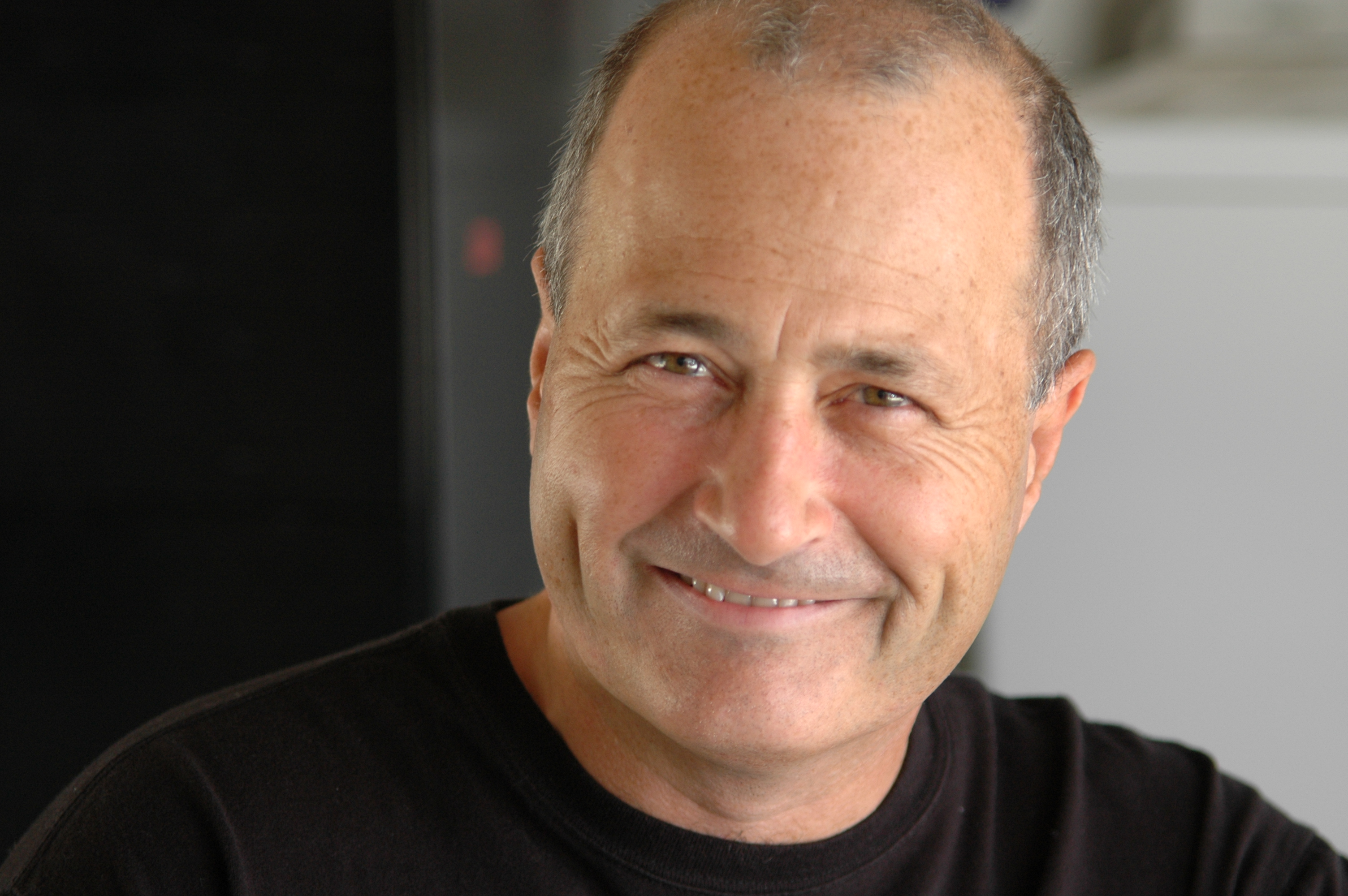
Jose PrendesToday I’m sitting down with filmmaker Jose Prendes to discuss his films, his writing and the fascinating path he’s taken… enjoy!

Q: Could you give me a little bit of background on how you got into screenwriting/film making?
I was an only child, and I lost my parents when I was five, so I was very lucky to find myself in the hands of my Godparents, who I came to see as my parents. My dad was a huge movie buff, and he never really set limits on anything I could watch, so banished away my loneliness by plunging into movies and books and things like that. I knew very early on that I wanted to be a part of the movie world. At first, I wanted to be an actor, and I dabble here and there, but I discovered a knack, and an unquenchable love, for writing, and realized that the real power behind a film was the writer/director, so I set my sites on that and haven’t looked back since!

Q: You’ve been making films since 2001, The Monster Man been your first credited feature, which stars genre legends Linnea Quigley and Tom Savini how did that come about?
I had just finished film school and wanted to put my learning to the test, which is something that a lot of film school graduates fail to do. I decided to shoot a modest movie, on DV, with my friends as crew, and it ended up getting distribution, which blew my mind. It remains to this day my all time favorite filmmaking experience.

Q: You wrote, directed, produced and starred in The Monster Man, labour of love or only way to get it made?
Everything you make should be a labor of love, because in the end what is the point to any of it? I did all that because I wanted to do all that, and yes, I knew there was no other way
to get it made, and I wasn’t going to wait around for something to make my dreams come true, I was going to force them into reality myself. That’s sound advice for anyone who wants to be a filmmaker. If you can do it yourself, then do it yourself, it’s more rewarding.

Q: How did you go about funding it?
I had family loan me the money, and I was very grateful to them for that!

Q: Did your family get their loan back with interest?
No. No, they did not. But it was an investment in my future! A farm doesn’t usual pull a crop the first year.

Q: Your next work seems to be as a screenwriter on Song of the Vampire, how did that come about?
I got that because the female lead in MONSTER MAN, Denice Duff, was going to make that film her directorial debut, and she asked me to come on board and do a re-write to make it less goofy. It’s funny, because MONSTER MAN is a comedy, but she had a feeling I could add something to it, and I tried my best. It was a fun project and I loved going to the New Orleans set and hanging with the crew. Good memories.

Q: A lot of writer/directors start out with short films, you jumped straight into features, did you try shorts?
I did try shorts, in film school. The truth is shorts are worthless in the commercial sense. They are great for practice and cutting your teeth on a set and figuring things out, but as a professional filmmaker, it does nothing for your career. Now, there are exceptions, and career’s have been started based off of shorts, but when you compare it to the amount of shorts that get forgotten the odds are astronomical. It’s a way better bet to make a feature, because then you can at least try for distribution. With a short, all you can do is play festivals, because no one buys shorts. I did shoot a short on 35mm in black and white, with an eye to incorporating it into a feature, which eventually became by second feature, CORPSES ARE FOREVER.

Q: Your next film, Corpses are Forever, you take on multiple hats again, do you enjoy the different roles?
Again, it was a case of no one is going to push this train down the track faster and harder than me, so I took all those jobs (and more that I didn’t credit myself for) with a glad heart because I was making my dreams come true. That film was bigger in scope, with 35mm cameras, and a larger cast, but I had a bigger crew, who kicked ass and we got it through. I got to work with the amazing Brinke Stevens, Debbie Rochon, Felissa Rose, and Linnea again, as well as the now-late icons Richard Lynch and Don Calfa. I also met my wife on that set, so it has very fond memories.

Q: There’s a gap of five or six years before your next work, what were you working on during that period?
I wasn’t able to afford another movie, so I busied myself writing novels, and scripts, and getting married, and moving to Los Angeles.

Q: Your next few films are as a writer, all genre fare, were these spec scripts or commissioned gigs?
Commission gigs, and the less said about these, the better.

Q: You’ve also worked in TV, with Veronique Von Venom and Rest for the Wicked (and others), what are the biggest differences to Film in your opinion?
Well, it’s not really TV, they were youtube shows. We shot them pretty much how we would shoot a film, so no real difference.

Q: Some of your more recent work has been writing for Asylum, how is it working for them and how did you break in?
Asylum distributed CORPSES ARE FOREVER, so that’s how I came to work for them. I’ll be honest, I can be rather frustrating at times, and I hate feeling like a typist, but they gave me a shot to make films, and I will forever be grateful to them for the opportunity.

Q: What’s your personal fave in the work with Asylum?
THE HAUNTING OF WHALEY HOUSE, hands down, because I got to write and direct that sucker, and got to cast with talented young actors and had an amazing crew, and we really got left alone to make our own movie, and people tell me that it doesn’t feel like the typical Asylum film. That’s probably why I wasn’t asked to direct again, and we went our separate ways.

Q: You wrote and directed the 2015 release Blood Brothers/The Divine Tragedies, what can you tell us about it?
It’s based on the Leopold and Loeb case of 1924, about two men who decide to pull off the perfect murder to prove their mastery over mankind with their intelligence. I took a David Lynch/David Cronenberg stab at the idea and turned it into this surreal story about serial killer brothers.

Q: Blood Brothers has a different tone to the Asylum work and some of your earlier projects, was this a conscious shift?
Blood Brothers was a different type of movie than CORPSES or WHALEY, and I knew it needed to have room to breath, so I left it decide for itself what it wanted to be. It was conscious up to a point, deciding on colors and music and aesthetic things like that, but for tone I look back at the script and what came out of there. Sometimes I don’t know what the characters are going to say or what is going to happen, and that’s exciting, that’s when the movie takes on a life of it’s own.

Q: Again you’ve managed to assemble a great genre cast, including Barbara Crampton, Ken Foree, do you hire these specifically? If so why?
Casting was interesting for this one. I had the two brothers in mind since the beginning, and then we spent a few months tracking everyone down. I’ll be honest and say that we didn’t have anyone in mind for the roles of Barbara and Ken, but when they names came up it was as if the universe had delivered them to the movie, like they were always supposed to be a part of it. I love their work and they loved the script and the characters, so it was an easy slam dunk.

Q: Any amusing anecdotes about the famous (to genre fans) stars you’ve managed to work with over the years?
Nothing I can share. Hahaha!

Q: You have Unspeakable Horrors: The Plan 9 Conspiracy, coming up… it sounds fascinating and again the cast(?), part documentary I’m guessing?
It’s a documentary exploring the hidden meanings behind Ed Wood’s infamously “bad” movie PLAN 9 FROM OUTER SPACE. We get in a lot of trouble with the government over that, and I’m not sure how much I can saw about it before they com and arrest me. I was honored that folks like Joe Dante, Mick Garris, Fred Olen Ray, William Lustig, and others would join me in exposing the truth and hopefully redeeming Ed’s work. It will premier in London at the end of April, if MI-6 doesn’t shut us down.

Q: Any other projects in the works we should be looking out for?
I published a novel a few years back called SHARCANO, which was a direct response to SHARKNADO, but I wanted to tell that kind of story with no regard to budget or studio interference, so I wrote the most kick-ass, action packed version of a B-grade shark movie, and it’s done very well. People usually pick it up as a joke, and then they read it and realize it’s less like a Syfy Channel movie, and more like a Michael Chricton novel meet a Jerry Bruckheimer movie. Anyway, the sequel will be coming out on 2017, hopefully, and it’s titled: SHARKS OF THE LIVING DEAD.
Also, I published my first two non-fiction books in 2016: THE HIGH-CONCEPT MASSACRE, featuring interviews with 13 genre screenwriters including Carl Gottlieb and S.S. Wilson, and THE ARE YOU AFRAID OF THE DARK CAMPFIRE COMPANION, an episode guide/interview book about the beloved Nickelodeon tv series from the 90s. Both are available on Amazon, as well as SHARCANO.
Okay onto some writing specific questions…

Q: When it comes to feature scripts, how do you approach structure in your scripts? Do you follow any particular method?
I don’t like to worry about method, my concern is the story. Odds are if you’ve seen a ton of movies, you will know what structure is and what feels right, and if the structure makes sense or not, and if a story is solid, meaning it contains a beginning, middle, and end, then it has a perfect structure.

Q: There are a ton of people out there who offer coverage services, position themselves as gurus etc, what’s your view on such services?
Don’t do it. It’s pointless. Agents and managers don’t care about that. They are basically frustrated writers who want to leach off of you to make money. Trust your gut.

Q: What are your thoughts on the business side of screenwriting, getting your scripts ‘out there’ and networking to make connections?
Getting anyone to read your shit is the toughest part. I’ve had good experiences and bad experiences and some led to a rep, while most didn’t lead to anything. There is no hard and fast way in. I would suggest some prestigious festivals that tout the fact that agents read the winnings scripts, because even if you didn’t win there is a chance that someone who knows someone read your thing and loved it and wants to pass it on. I’ve just passed on scripts to folks, who have passed it on and on, and until something happens. I haven’t been able to shake anything loose for very long, but then again I realize I am not the commission guy. I tried it, and I didn’t like it, so I want to focus on making my own shit.

Q: If you’ve used services/sites like Inktip, SimplyScripts, The Blacklist, what’s your view on this type of model for screenwriters to get their scripts seen, and hopefully picked up?
Never used them.

Q: What’s the best and worse screenwriting advice you’ve been given?
Best and worst advice I got was: “quit”. It was the worst, because it’s so negative, but it was the best because it set that fire in my gut upon hearing it and I knew I wasn’t going to quit just to prove him wrong.

Now for a few ‘getting to know Jose questions

Q: What’s your favourite film? And favourite

script, if they’re different.
My favorite film is a tie between Jaws and It’s A Wonderful Life… very different, but very similar for the effect it had on me. Both of those films are brilliantly scripted.

Q: Favourite author and book?
Favorite author is Mark Twain, a kindred soul, and my favorite book is probably Tom Sawyer, or The Name of the Rose by Umberto Eco, I can’t decide.

Q: Beer or Wine (or something else)? And which variety?
Scotch. Any variety.

Q: Favourite food?
Hamburgers and fries. I’m a simple guy.

Q: Any other interests and passions?
I’m in a weird position where my hobby is a my career, so I have no side interested. However, I am putting on my own convention in June 2017. It’s called Kid Kon, and it will be the world’s first kid-centric pop culture convention. It’s a ton of work and planning, but like anything I endeavor in it is a labor of love.

Q: I believe you also run Kid Kon in Pasadena, what can you tell us about it and how’d it come about?
I’ve been wanting to put on a convention for a while, but never had a solid enough idea. As a father of two, I realized that there wasn’t anything that really spoke to the young fandom, it all seemed to be middle-aged guys, so I wanted to create something that was strictly geared to kids and the stuff they love. So Kid Kon was born!

Q: Any final thoughts for the screenwriters reading this?
One word: quit. 😉

Thanks to Jose for such an enlightening interview. Follow Jose on twitter @JosePrendes

About the interviewer: Anthony is an award winning screenwriter from the UK with 2 Features optioned and over 30 Short scripts optioned, or purchased, including 8 filmed. Outside of his screenwriting career, he’s a published short story writer and movie reviewer. Links to his films and details of his scripts can be found at www.anthonycawood.co.uk.

Thursday, February 2, 2017

Screenplays – Dr. Strange - post author Stephen Batchelor

“You’ve got the Ancient One as Tilda Swinton. Give me a break! Really? I mean, it’s stupid. You know?”

That’s a quote from screenwriter/producer, Bob Gale, you might know him from films like “Back To The Future” and “Used Cars”.

Gale is a huge fan of Dr. Strange, and in the mid 80’s shopped a rather cool draft around. It wasn’t overly ambitious, and seemed designed for a slightly lower budget, but we have to remember, this is back in a time when Marvel could barely give away characters, let alone have them dominating the box office.

Anyway, for some reason this script didn’t sell, and we wouldn’t see an official Dr. Strange on the silver screen for another thirty years. Click the pic and have a read, Gale says he won’t watch it, but what do you think, is he right to avoid it, or is it just sour grapes, let us know below.

dr-strange

Stephen Batchelor is a screenwriter. He watches movies. Reads scripts. Writes pages. Read His Blog, check out his facebook page Facebook.com/TheScriptMason and stalk him on twitter @thescriptmason.

Search with Google

    Custom Search SimplyScripts

Award Season Screenplays - New!

ScriptSearch

Advertisement

Script of the Day
January 1, 2026

    The Girl on the Screen by Brandon Matthis

    A quiet night takes a horrifying turn when a woman’s TV displays a missing persons poster, pulling her into a sinister urban legend. 10 pages
    Discuss it on the Forum

    *Randomizer code provided by Cornetto.

More Navigation

Search Amazon

    Search Now:
    In Association with Amazon.com

Featured SimplyScripts Blogs

Advertisement

Latest Entries

Categories

Donate


Writers I dig


SimplyScripts Logo

Comodo SSL